
Nissan — ןסינ
The First Biblical Month is all about FREEDOM.

2026: March 18 (sunset) - April 17 (sunset)

You could say Nissan (“nee-SAHN”) commands the year.
In fact, the first commandment for the newly born nation of Israel as they left Egypt was to count this as the first month of the year (Exodus 12:2). Nissan is when the Israelites became a nation, when the tradition of counting the days to Pentecost began and when kings went out to war (2 Samuel 10:1).

Join us as we enter the biblical month when Israelites were set free from Egypt. Let’s ponder together the spectacular plans the Lord has in store this year!
Important Dates in Nissan
Remarkable days like Passover filled the annual calendar that Jesus followed. Landmark events where people gathered together to worship the Lord punctuated His pattern of life through the year.
These annual festivals served as the original discipleship program for the earliest Christians. After Passover, we celebrate the Feast of Unleavened Bread, First Fruits and forty-nine days of counting (Counting the Omer), all of which lead to Pentecost (Shavuot).
When God put lights in the heavens, He said, “Let them be for signs and seasons, and for days and years” (Genesis 1:14). The word “seasons,” often translated as “appointed days,” refers to the days God set aside on His calendar to share with us. Nissan wins the prize for the most “appointed days” called Moedim (“mow-eh-DEEM”) in Hebrew of the year.
Appointed Days (Moedim):
- Passover
- Feast of Unleavened Bread
- Day of Firstfruits
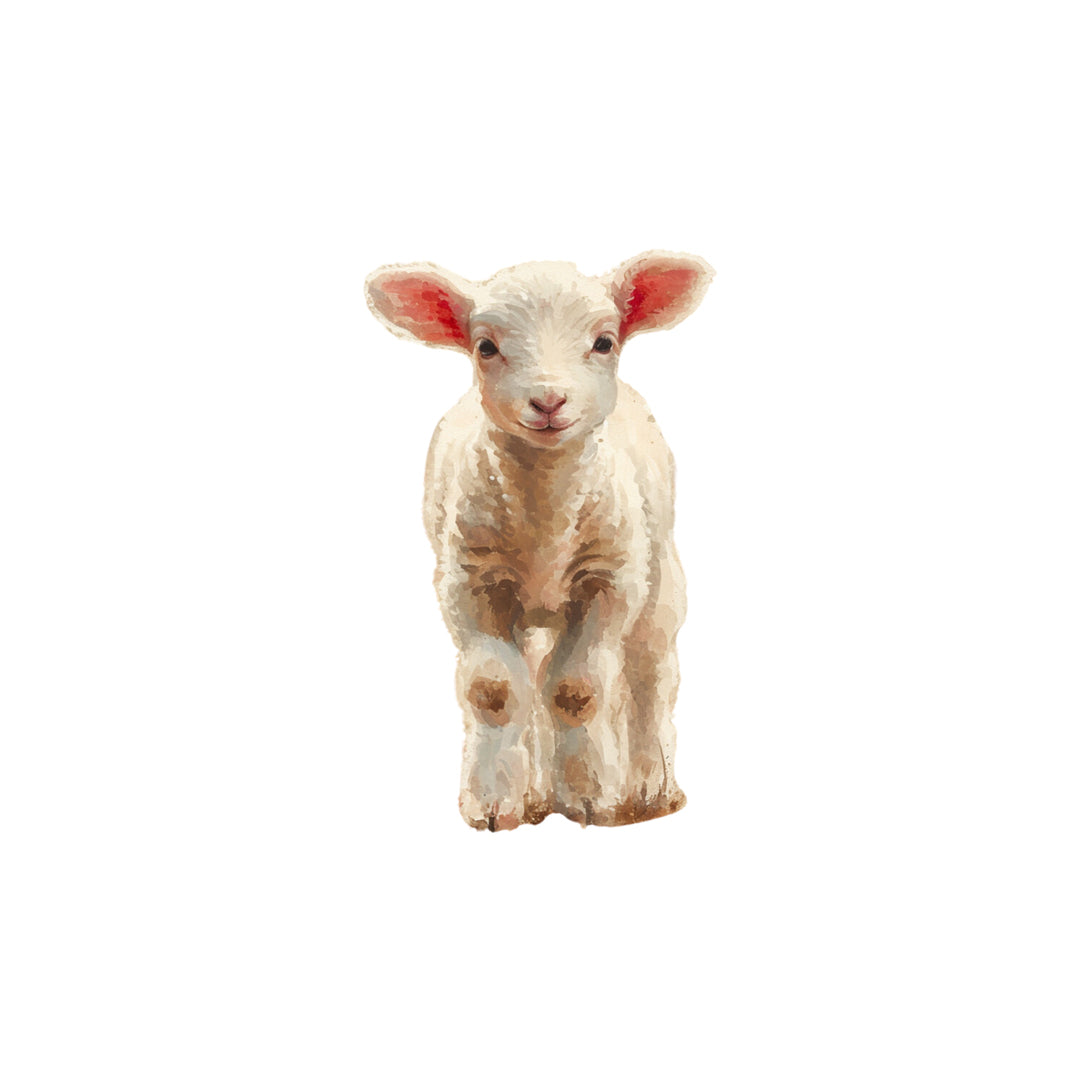
April 1, 2026 (sunset)
PASSOVER
Passover is the remembrance of the Exodus from Egypt. The Passover meal, often called the Last Supper, serves as a memorial for what God did to save His people.
Just as the Passover Lamb’s blood rescued the Hebrew people from slavery, Jesus’ blood saves us from the slavery of our sin. With Passover joy, Paul exclaimed, “For Christ, our Passover lamb, has been sacrificed. Therefore let us keep the festival…” (1 Corinthians 5:7-8).
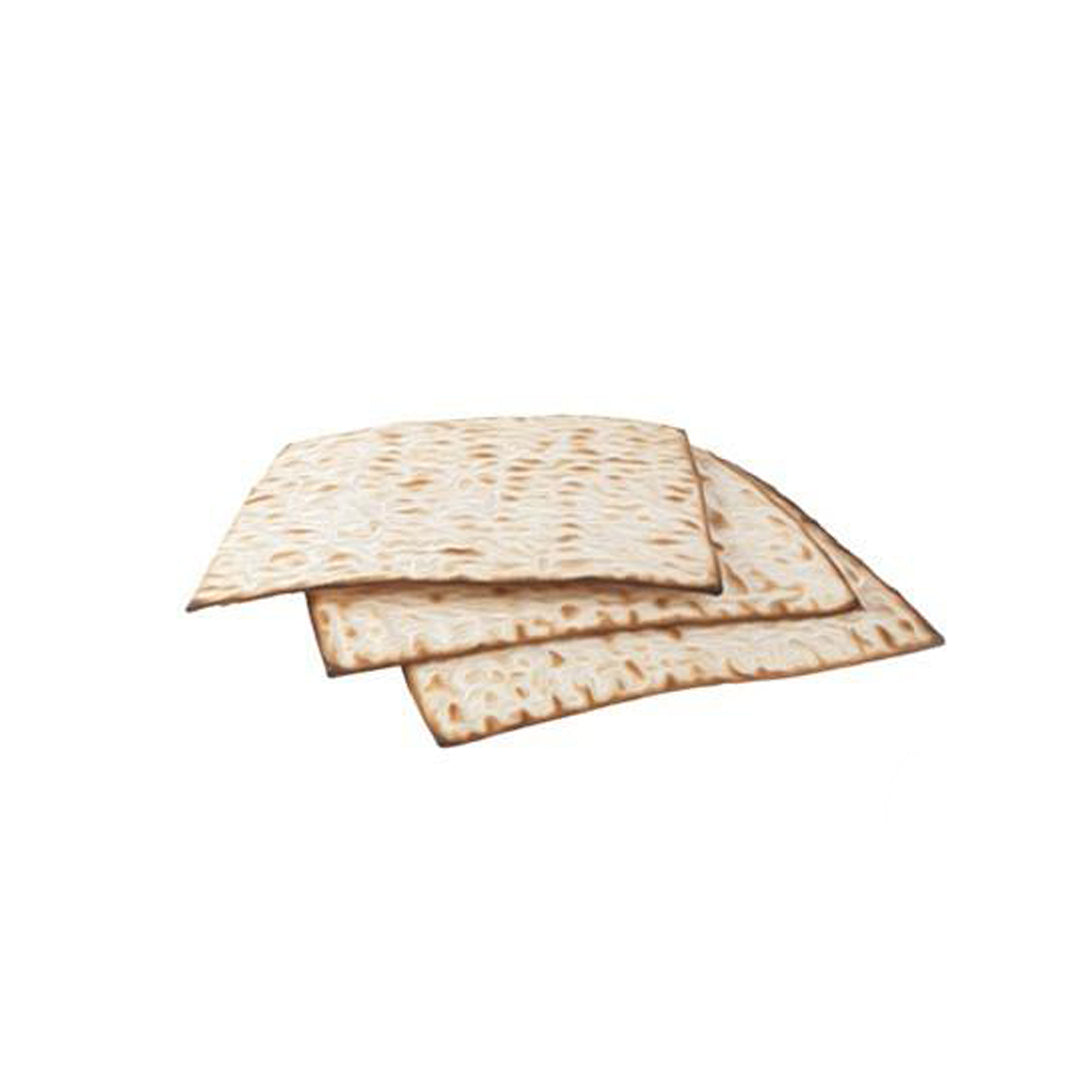
April 1 (sunset) - 8 (sunset)
FEAST OF UNLEAVENED BREAD
The Feast of Unleavened Bread is a 7-day festival following Passover. Because the yeast did not have time to rise when the Israelites fled Egypt, an annual custom of clearing yeast from homes began, in preparation of Passover.
Paul likely referred to this custom, comparing yeast to sin, when he said, “Get rid of the old yeast…” (Leviticus 23:4-8; I Corinthians 5:17).
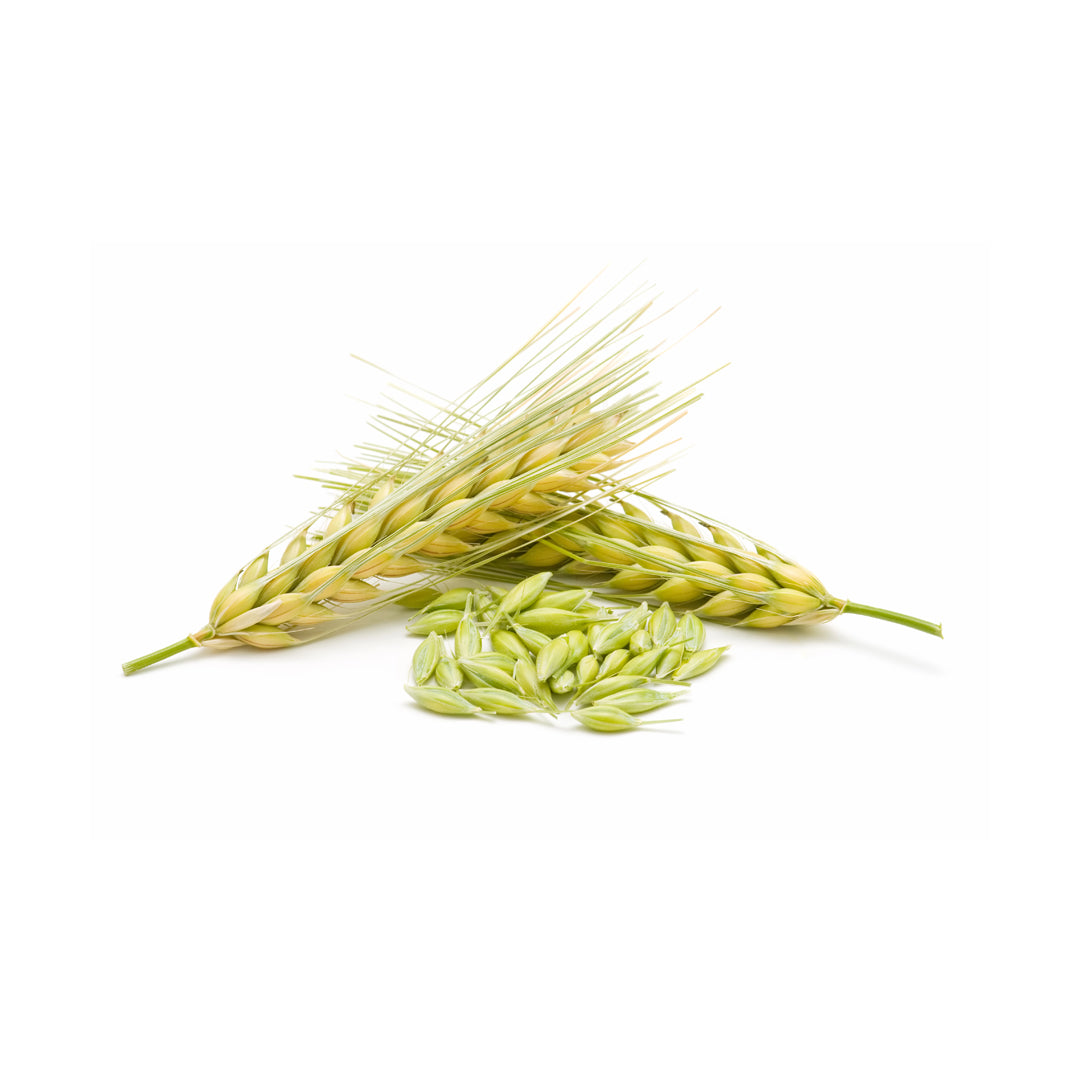
April 4 (sunset) - April 5 (sunset)
DAY OF FIRSTFRUITS
The firstfruits of the barley harvest were gathered into a small amount (called an omer) and waved as an offering to God. The offering was like a promise from God for a good harvest 50 days later.
Firstfruits falls on the day after the Sabbath after Passover and is also the day that Jesus rose from the dead. He is our Firstfruit. “Christ has indeed been raised from the dead, the firstfruits of those who have fallen asleep”
(Leviticus 23:9-14; 1 Corinthians 15:20).
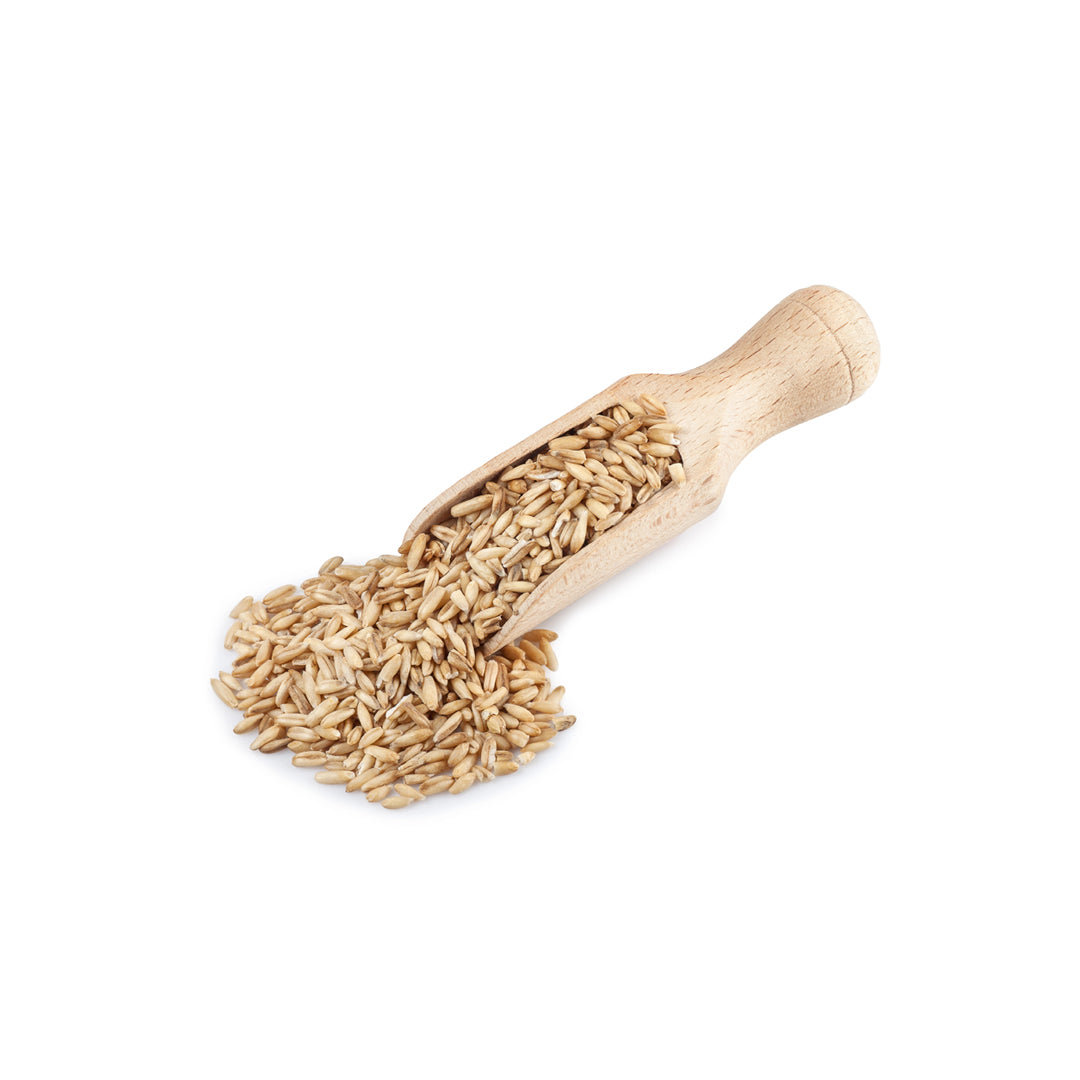
April 4 (sunset) - May 23 (sunset)
COUNTING THE DAYS / WEEKS:
Starting on Firstfruits, instructions were given to count seven weeks, day by day, until the Feast of Weeks (Pentecost). Since the time of Moses, the 50th day has been a big party!
Because the wave offering on Firstfruits was given in a measurement called an “omer,” these days are referred to as “Counting the Omer.” While His disciples counted, Jesus appeared for 40 of these 49 days (Leviticus 23:15-16; Acts 1:3).

Deep Dive into Nisan
Nisan is the first month in the Hebrew calendar. The Torah itself says so, in Exodus 12:2:
This month shall be your beginning of months; it shall be the first month of the year to you.
Since Nisan is the first, other months are counted in the Bible as the second, third month etc. The names in the current Hebrew calendar were only added after the Babylonian exile, and they are in fact of Babylonian origin.
Nisan is the month of Passover when we remember the death and resurrection of our Lord. We also remember the Exodus from Egypt, with signs and wonders, marking the beginning of Israel as a nation. So, we can see that the month is packed with significant events. What can we learn from the Bible about such a time? How should we live so that we are prepared, when a significant move of God comes?
The phrase “this shall be your beginning of months” is actually considered a commandment, and Jewish sages have noted that this is the very first commandment that God gave to the people of Israel. They were still in Egypt, but they were getting ready for the Exodus. The liberation from Egyptian bondage and the beginning of the history of the nation of Israel was about to begin. What should the people do? Start counting the time. Why?
For a slave, it does not matter which day, month or year it is: every day is the same, they have no possibility to take initiative, to make their own plans. It is a time without time. I can imagine that the life of Hebrew slaves in Egypt was like that. Then, all of a sudden, they were told to note the time. Something important would soon start to happen. They were to take a young lamb at the beginning of the new moon, and when the moon stood full, the great Exodus started. God moved in their lives in a revolutionary manner, with His mighty hand and an outstretched arm, so that the whole Egypt saw that there is no other God.
With the Exodus, the Jewish people went on a journey, they started a long process, which included learning many lessons and which would eventually bring the next generation to the Promised land.
Another important event occurred on the first day of Nisan a year later: the Tabernacle was completed.
And it came to pass in the first month of the second year, on the first day of the month, that the tabernacle was raised up. (Exodus 40:17)
When Moses finished the work:
Then the cloud covered the tabernacle of meeting, and the glory of the Lord filled the tabernacle. And Moses was not able to enter the tabernacle of meeting, because the cloud rested above it, and the glory of the Lord filled the tabernacle. (Exodus 40:34-35)
This event in a way signifies the fulfillment of the purpose of the Exodus. People were free from slavery – now to what? The Bible tells us that they were liberated in order to receive the Word at Mount Sinai, and then, as they obeyed, they experienced the presence of God in their midst.
The whole process started in a specific moment of time. And throughout our journey, it is important to discern the times. God places Divine opportunities in each of our lives, and we should be careful not to miss them. The Greek has two expressions for time: Chronos and Kairos. Chronos denotes the normal passing of time, while Kairos designates a special, appointed moment. It is similar to the Hebrew word Moed, an appointed time.
Time is an interesting commodity: everyone receives exactly the same portion. Poor or rich, educated or simple, good or bad. The difference is what we make out of it.
Handling time properly brings wisdom and understanding of the Lord’s will. No wonder that this was the first commandment God gave his people as they were leaving the state of slavery. Be aware, be wise, discern to understand the will of God.
In uncertain times, rather than worrying about things over which we have no control, let us focus on that which we can do. Each one of us has been given the same amount of time. Use it in accordance with His will, and it will be worth it, no matter what may come.